The Camp
What is SilentFest?
More than a summer camp: an international gathering where, for one week, deaf young people are the majority rather than the exception.
How it started
SilentFest came out of a very plain observation six deaf young people made in 2019: at every camp they went to, they could not talk in their own language. There was no interpreter, or there was one interpreter for thirty people, or the interpreter went home at eight in the evening.
The first year we ran it with fourteen people on a borrowed campsite. Half the programme was unplanned and the rest was improvised. But one thing became very clear: deaf young people did not need an event that had been "made accessible". They needed an event built for them from the first line.
Applications now reach us from many countries. The only rule that has never changed is the one from day one: here, sign language is not the translation. It is the language.
The team
There is roughly one team member per participant: deaf facilitators, activity leaders, a camp doctor, kitchen staff and volunteers. Everyone on the team signs and holds a youth safeguarding certificate.
Five things we agreed on
Sign language is the default
Speech is the exception, signing is the rule. For hearing team members, fluent signing is a hiring requirement — not the other way round.
Deaf leadership
Deaf people design the programme and deaf facilitators run the workshops. Not "for us, without us".
Difference sits together
Deaf, hard of hearing, deafblind and cochlear implant users are all under the same roof. We open the identity conversation rather than avoiding it.
It does not end when the camp does
An alumni network, online meet-ups through the year, and small seed support if you want to start something in your own country.
Who comes?
The only real condition: be deaf or hard of hearing. There is no age limit.
- New to sign language
- A third of participants
- First time abroad
- Roughly half
- Coming alone
- 8 out of 10
- Returning from last year
- Growing every year
Sound familiar?
Most of your day goes into translation.
Growing up in a hearing world means living one step behind the conversation. We do not need to explain this to you — you already live it.
"What did they say?"
Everyone at the table is laughing. You get the joke three sentences later, in a shorter version.
"Never mind, it is not important."
The most exhausting sentence in your life. Because it usually was important.
Waiting your turn
You stay quiet until the interpreter arrives. By the time they do, the subject has moved on.
Being the only deaf person
In class, at work, at family dinners. Years spent explaining yourself instead of just being yourself.
For one week, SilentFest flips that equation.
What changes here
No translation this week. Just conversation.
At SilentFest sign language is not the accommodation, it is the camp's first language. Everyone on the team signs — from the kitchen volunteers to the camp doctor.
You are the majority
For the first time, being deaf can be ordinary rather than remarkable. It is hard to describe; everyone who has felt it says the same thing.
No lag
You laugh at the joke as it lands. You join the argument while it is still happening. Nobody summarises anything for you.
A language without borders
Within two hours you are holding a conversation with someone from Italy. That is what International Sign does.
A circle that lasts
The camp ends; the group chat does not. Most participants end up visiting each other the following year.
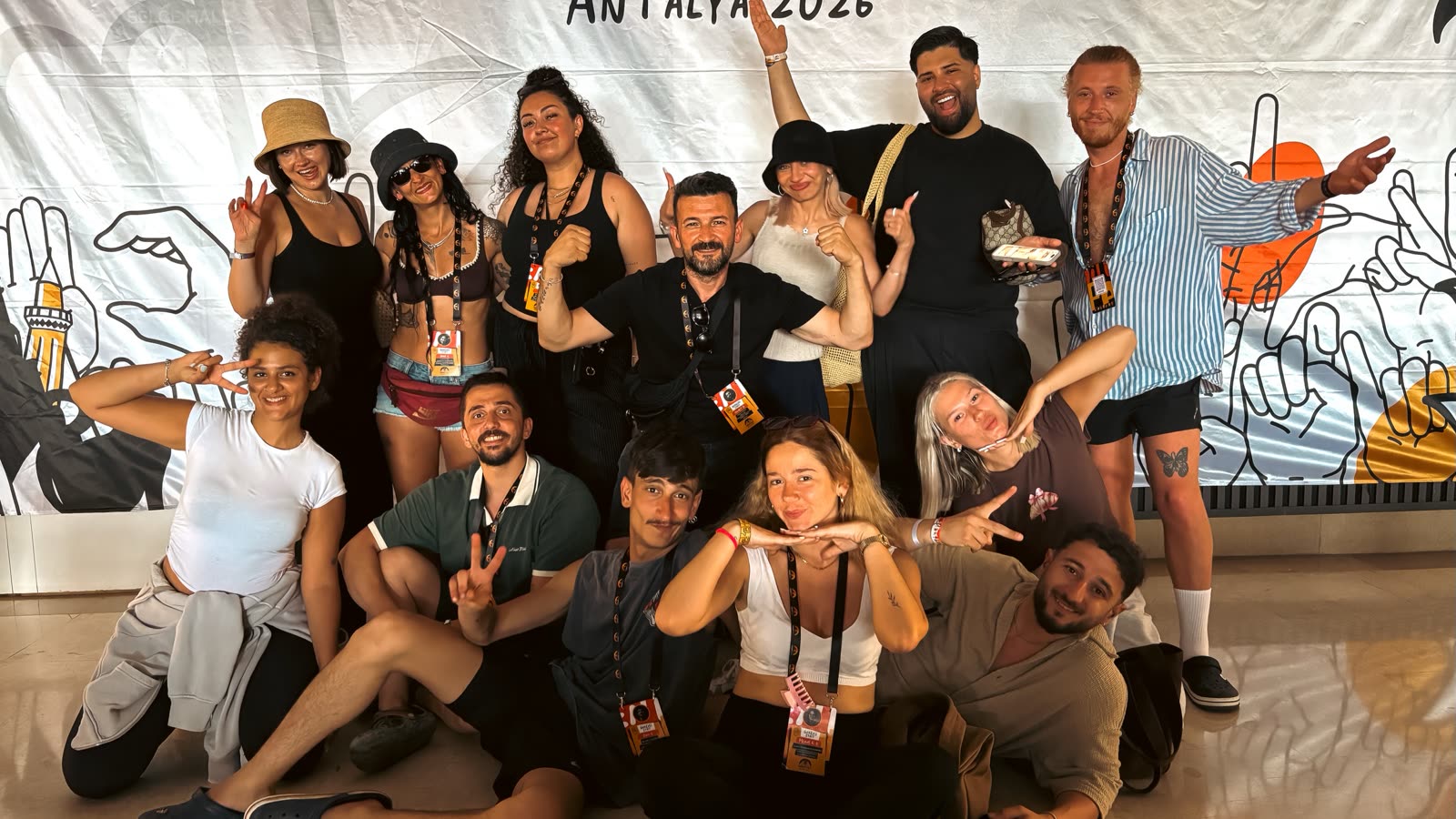
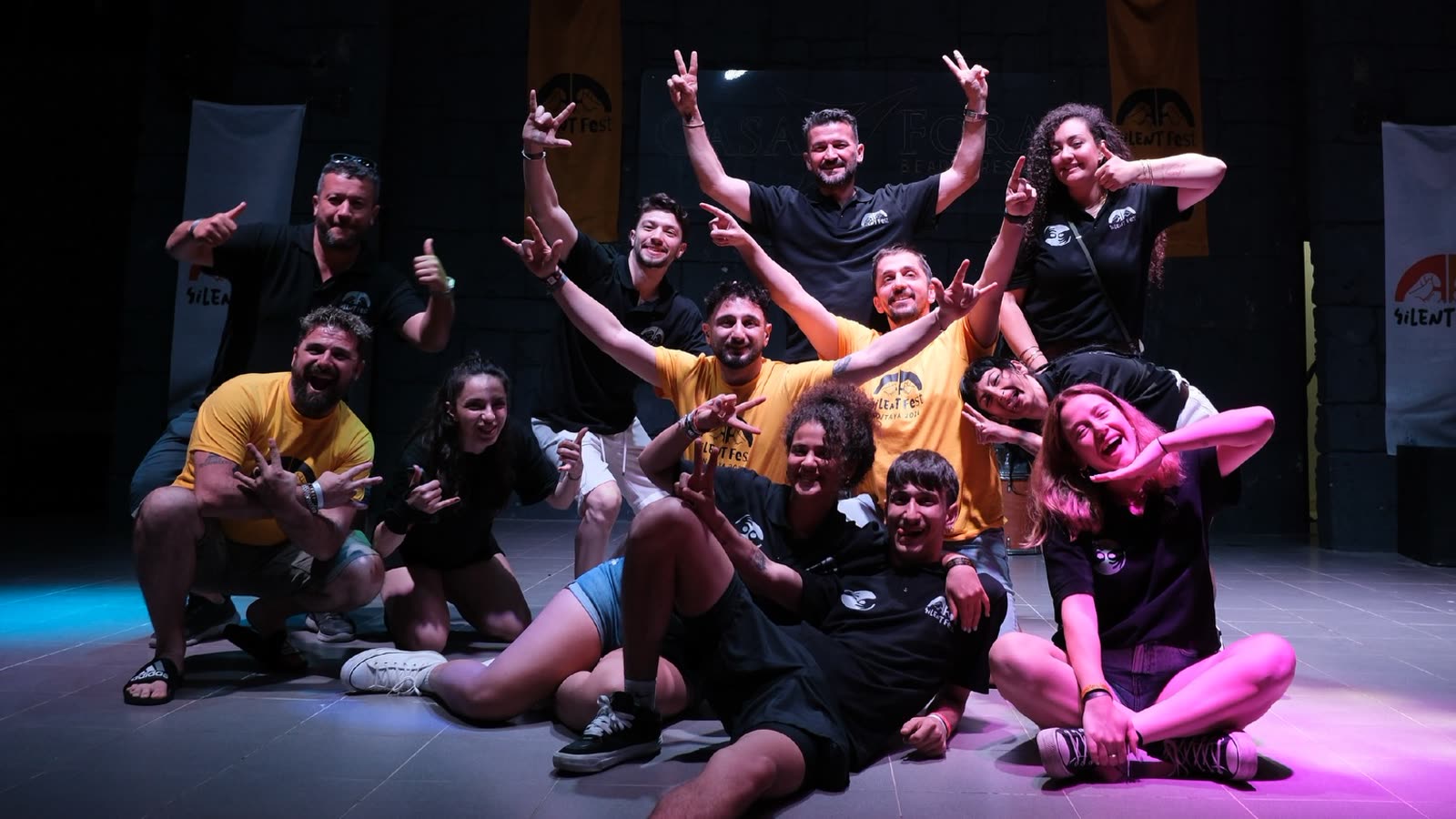
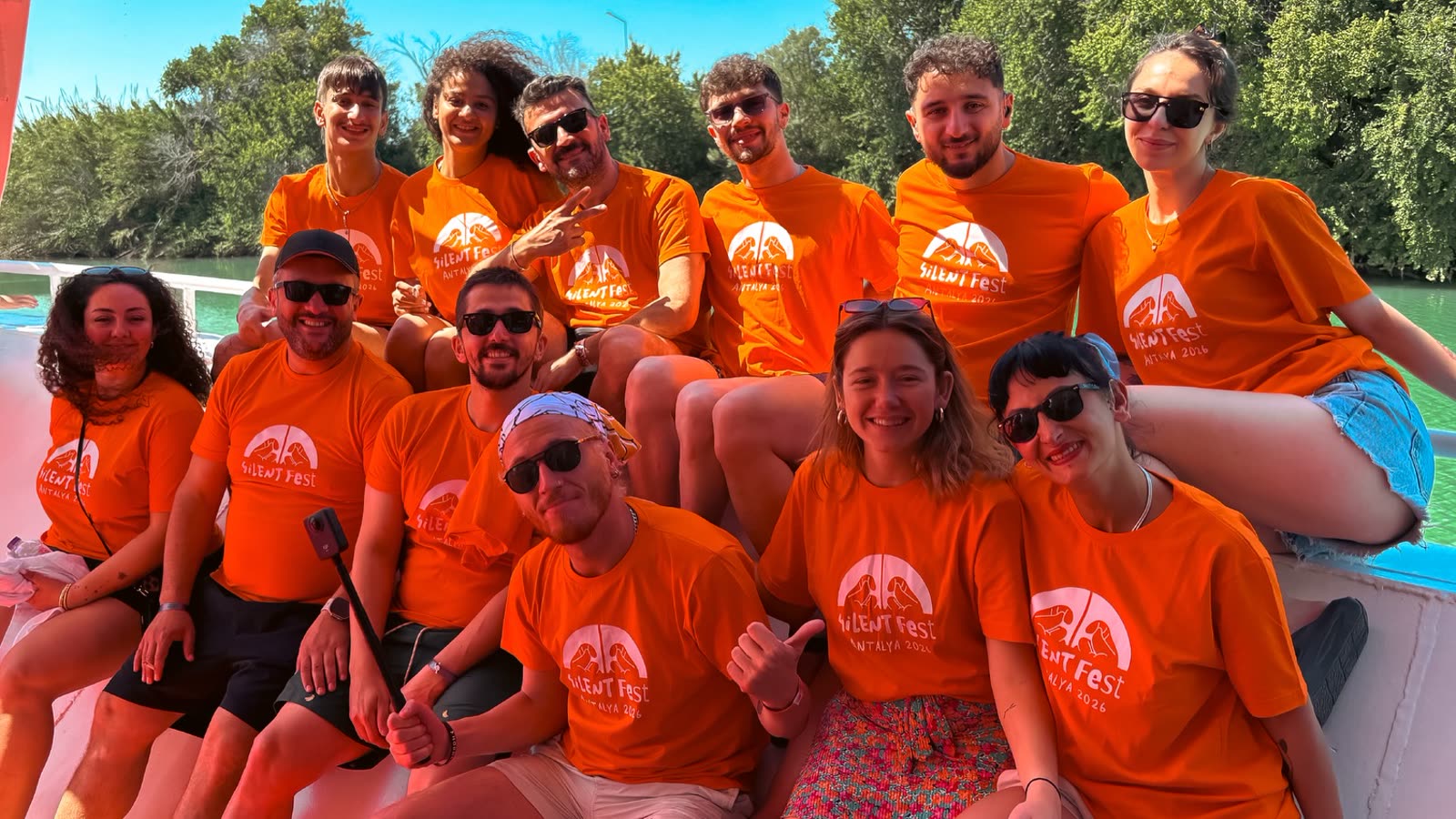
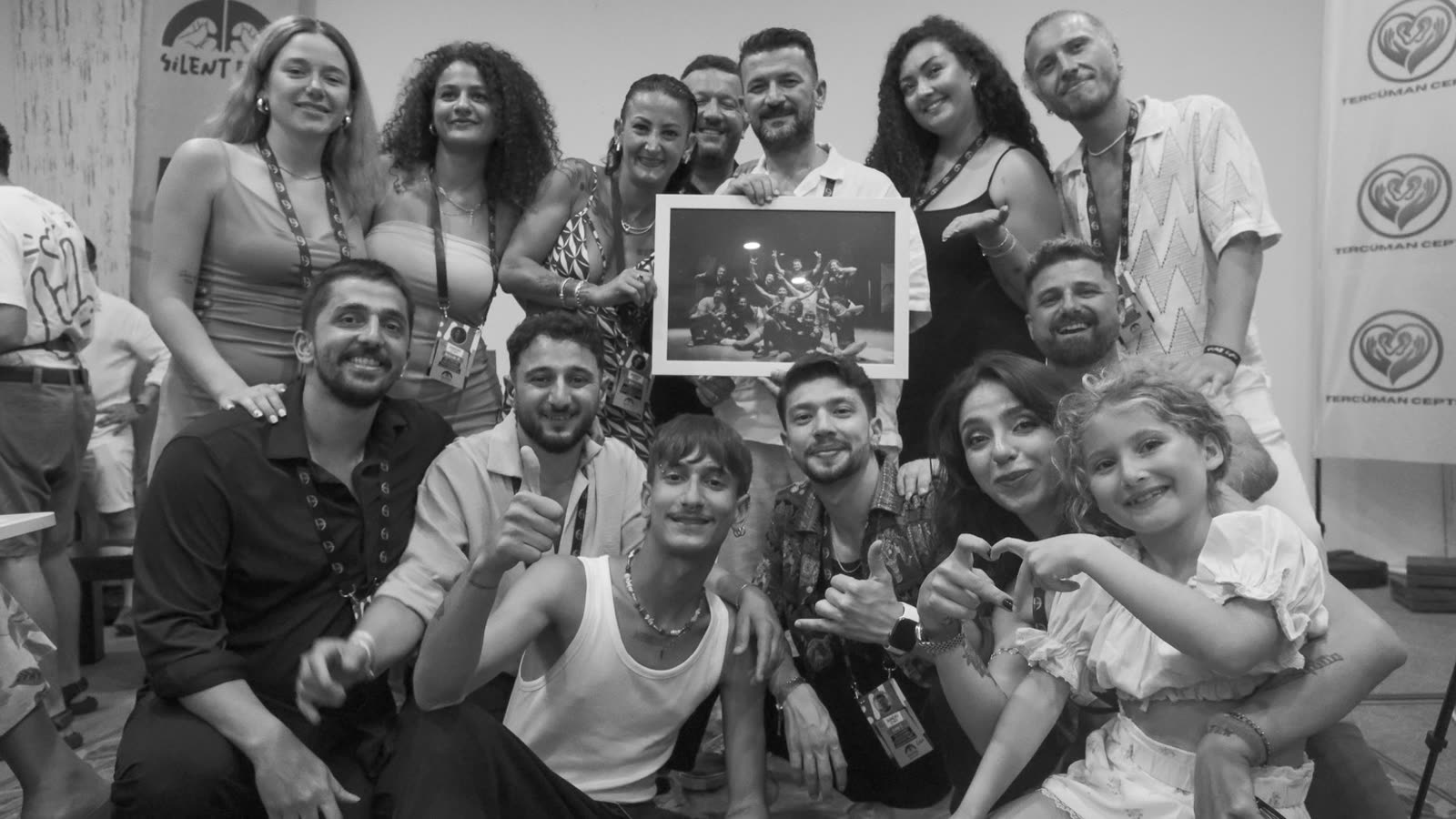
From last summer
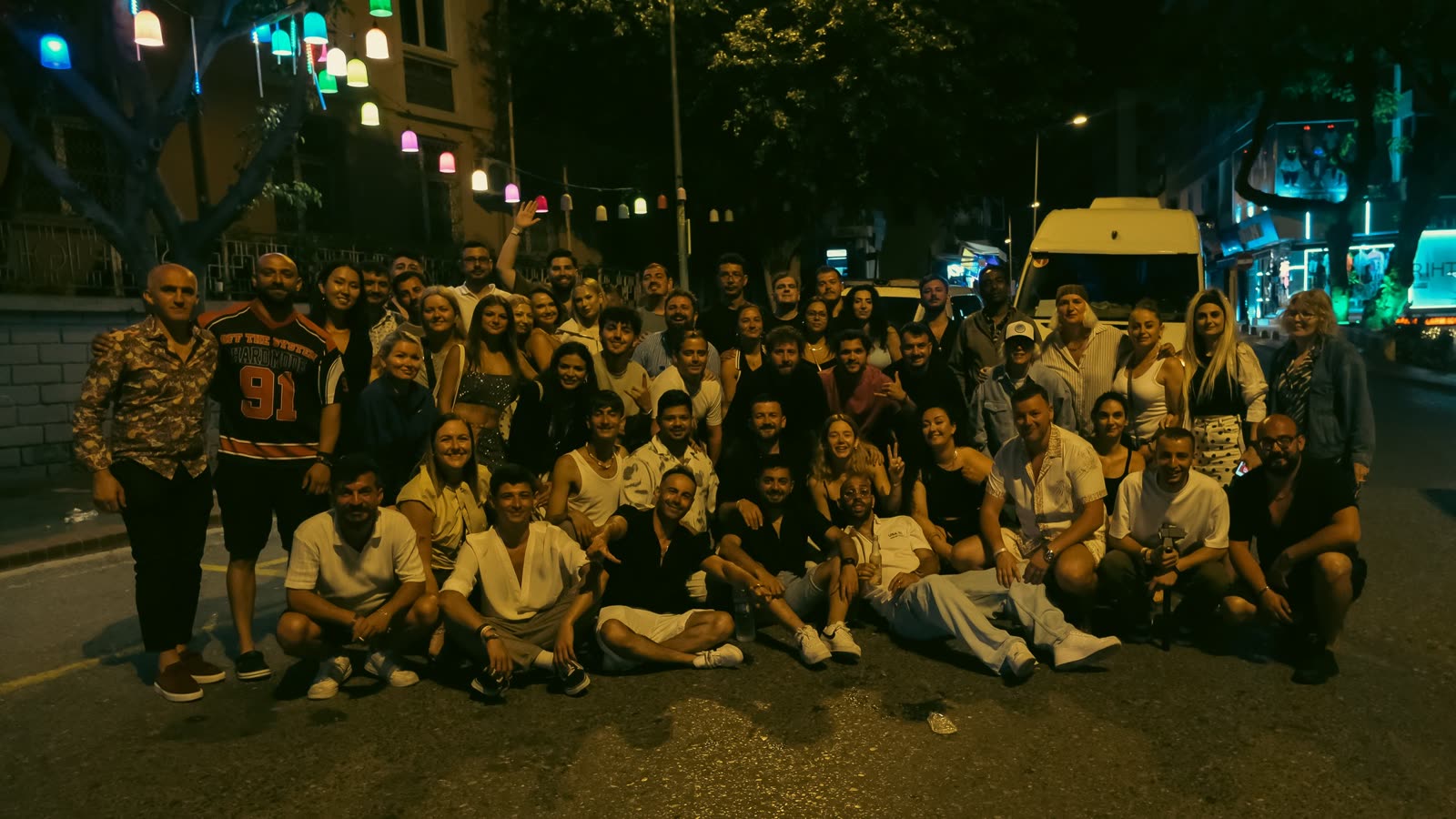
What a week leaves behind
Every photo is shared with the participant's consent. Anyone who preferred to stay out of frame is not here.